How Panini Created the First Social Network
![[object Object]](https://api.hedonistmagazine.net/storage/images/2026/05/2792dbdf-0c9e-4c7d-b882-69f18fdf18cd.webp)
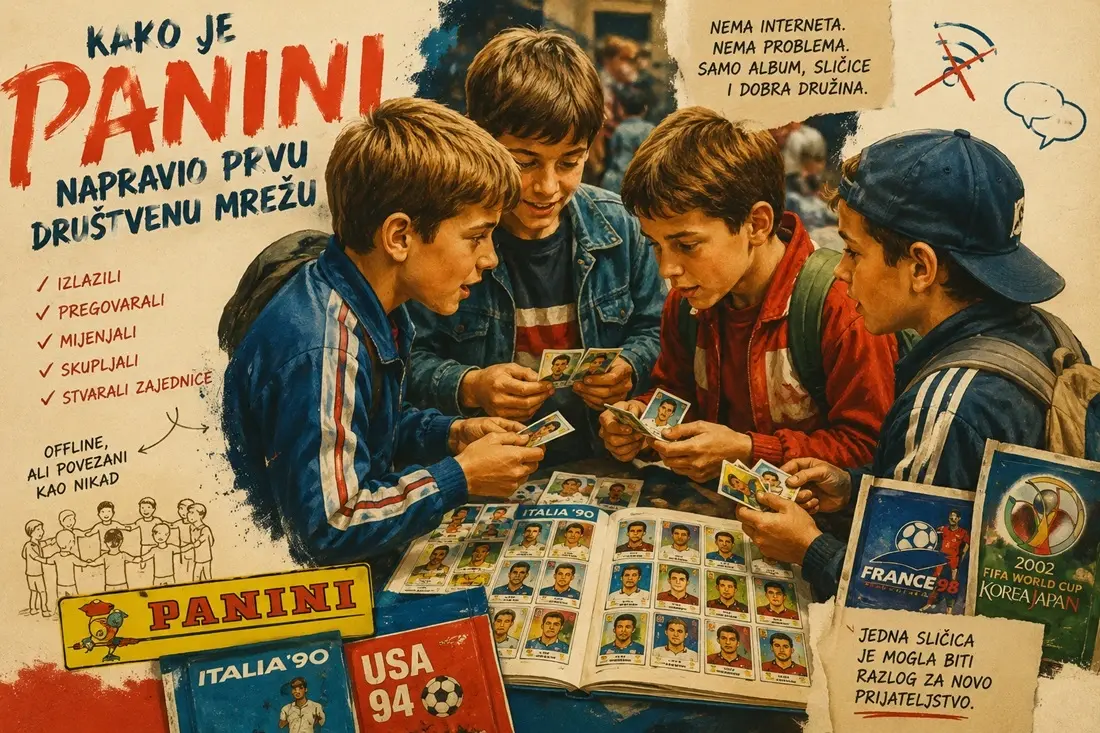
Before Instagram, TikTok, and endless scrolling, there was a different kind of algorithm. It didn’t run through the internet, but through school hallways, parks, apartment courtyards, and lunch breaks. Its name was simple - Panini.
Today, it almost seems unbelievable that ordinary stickers could create an entire social system. But that is exactly what happened to generations of children around the world. The album was never just a collection. It was status, a conversation starter, a reason to go outside and meet people you otherwise might never have known.
The First Real “Network”
The rules were simple. You bought sticker packs, opened them with almost ritual excitement, and hoped there wasn’t another duplicate inside.
“I’ve got two Maradonas, I need Prosinečki.”
That was the feed. Those were the comments. Those were the notifications of that era.
For generations of children, Panini created a sense of collecting, belonging, and everyday adventure.
Kids negotiated, traded, arranged after-school meetups, and built small communities around the same obsession. There was no “online status,” but you always knew who in the neighborhood had a full album and who was worth visiting for trades.
Completely by accident, Panini created something social media platforms still try to achieve today - a sense of belonging.
The Algorithm of Emotion
The difference was that attention was not yet a commodity.
There was no endless feed designed to keep you trapped for hours. The album had an ending. Once you completed it, the story was over. And precisely because it was limited, everything felt more valuable.
Every sticker was a small victory. Especially the shiny, rare ones that were guarded more carefully than schoolbooks. Opening a sticker pack lasted only a few seconds, but the anticipation felt real. Today, apps try to recreate the same effect through notifications and dopamine-driven mechanics. Back then, a tiny piece of paper was enough.
And perhaps the most interesting part - everything happened in real life.
A Social Network Without Screens
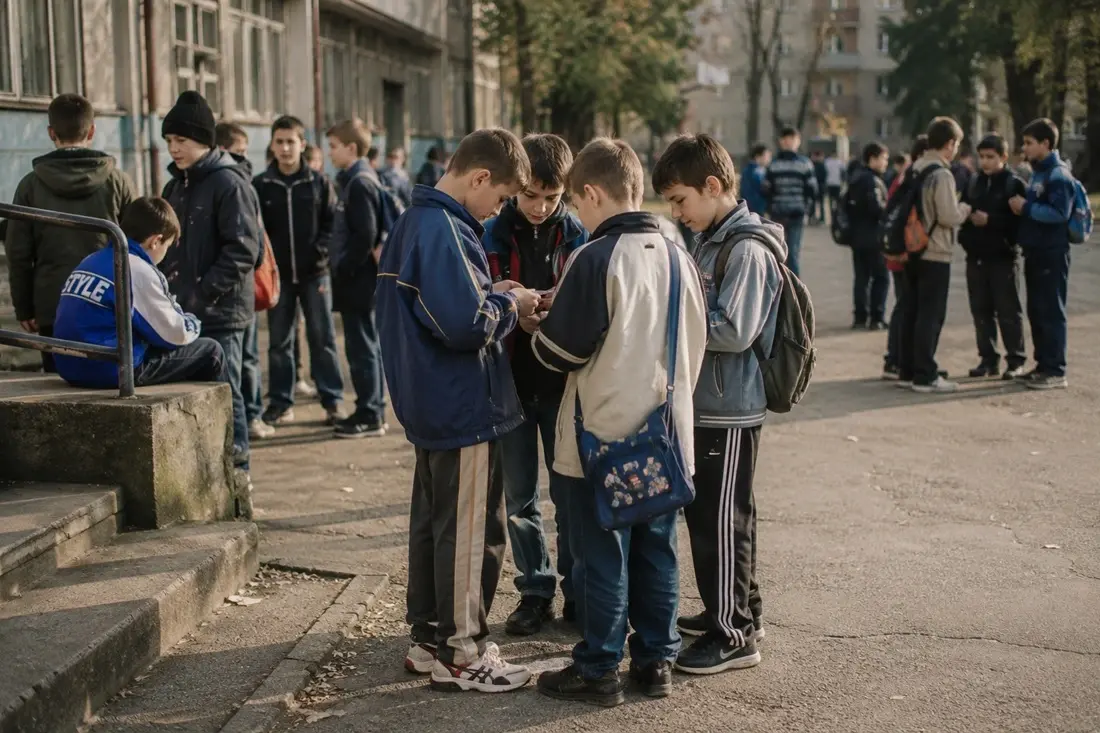
Panini albums pushed children outside.
You could not complete the collection alone. You had to talk to people. Negotiate. Sometimes, even risk a bad trade. There were unwritten rules, local “market systems,” and legendary kids who always had boxes full of duplicates.
In many cities, trading spots looked like miniature stock exchanges. Parks, stairways, and schoolyards became gathering places where everyone spoke the same language of numbers and players.
For a moment, it did not matter what class, neighborhood, or school you came from. The album created a sense of community faster than most apps do today.
A Slower Childhood
Maybe that is why Panini nostalgia feels so strong today. Not because of the stickers themselves, but because of the rhythm of life that came with them.
Everything was slower. You had to wait for the next pack. You had to go outside to find the sticker you were missing. You had to be patient.
Modern social networks deliver everything instantly. Panini demanded time.
And maybe that was its secret. It was never just a product. It was an experience that could not be rushed.
More Than an Album
For generations of children, Panini created a sense of collecting, belonging, and everyday adventure. It taught them the excitement of the search, but also the value of a simple face-to-face conversation.
That is why the story of Panini today is not just a story about nostalgia. It is a reminder that long before digital platforms existed, we already had a social network.
The only difference is that this one smelled like paper, glue, and freshly opened sticker packs.
- Cover photo: Joalpe via Wikimedia Commons, licenca CC BY-SA 4.0