

Ghost Cities: Places Where Nature Defeated Man
![[object Object]](https://api.hedonistmagazine.net/storage/images/2026/03/54e4e190-e645-441e-a10b-661cdf24d2a4.webp)
There are places in the world where time appears to have stood still. Cities that were once full of life, people, and everyday bustle now stand abandoned, slowly surrendering to nature. Streets once filled with cars are now covered in grass, houses crumble under the weight of time, and silence has become their only resident.
Some were abandoned due to wars, while others were abandoned because of economic changes or natural disasters. What they all have in common is the fact that nature has gradually begun reclaiming them.
Pripyat – the city time forgot
Near the nuclear power plant in Chornobyl, Ukraine, lies one of the most famous abandoned cities in the world - Pripyat. The city was built in the 1970s to house workers of the nuclear power plant and their families.
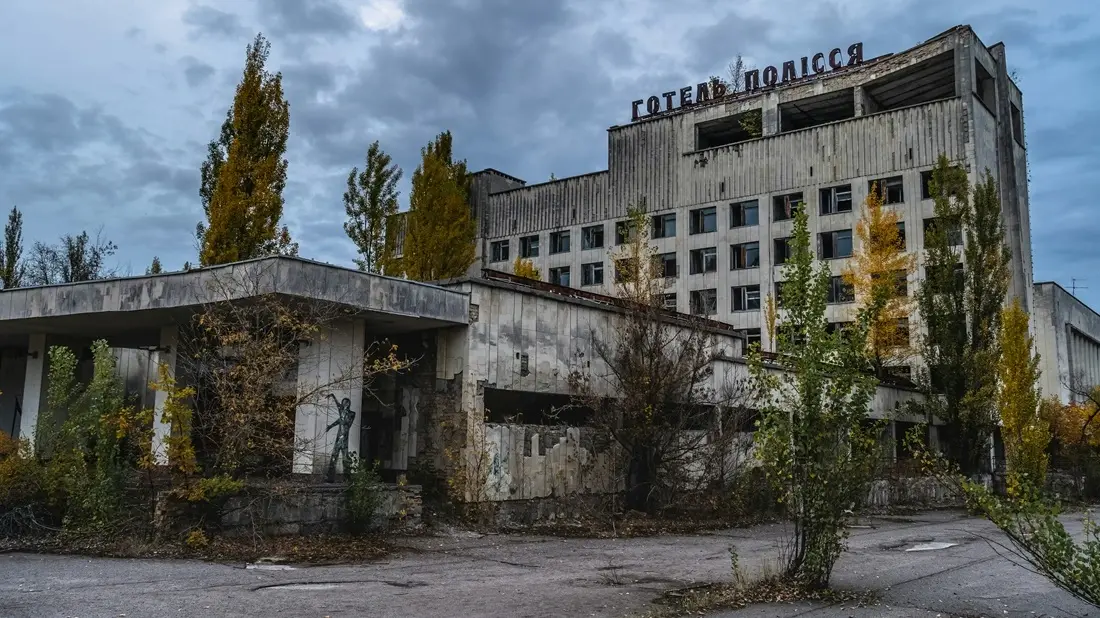
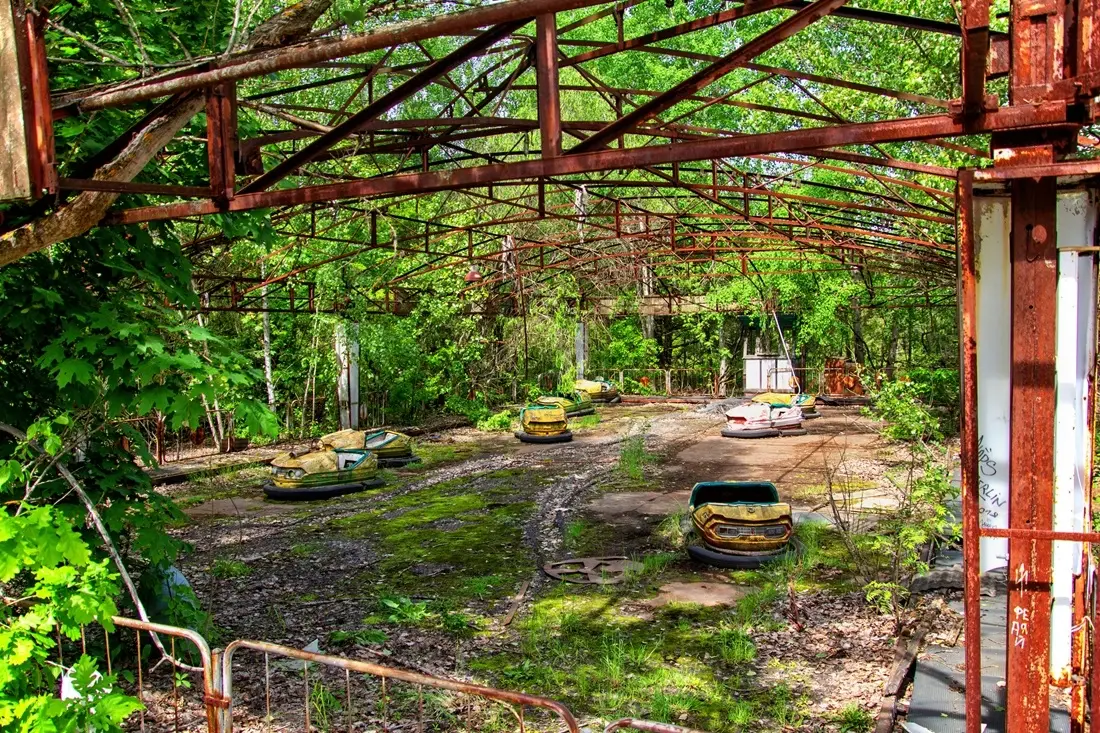
After the Chornobyl disaster in 1986, residents were evacuated within just a few hours. The city remained almost exactly as it was on that day - schools, apartments, parks, and the well-known amusement park that was never officially opened.
Today, nature is slowly taking over the city: trees grow through the asphalt, buildings are covered in greenery, and Pripyat has become a symbol of an era and a warning about the power of technology when it slips out of control.
Kolmanskop – the city swallowed by the desert
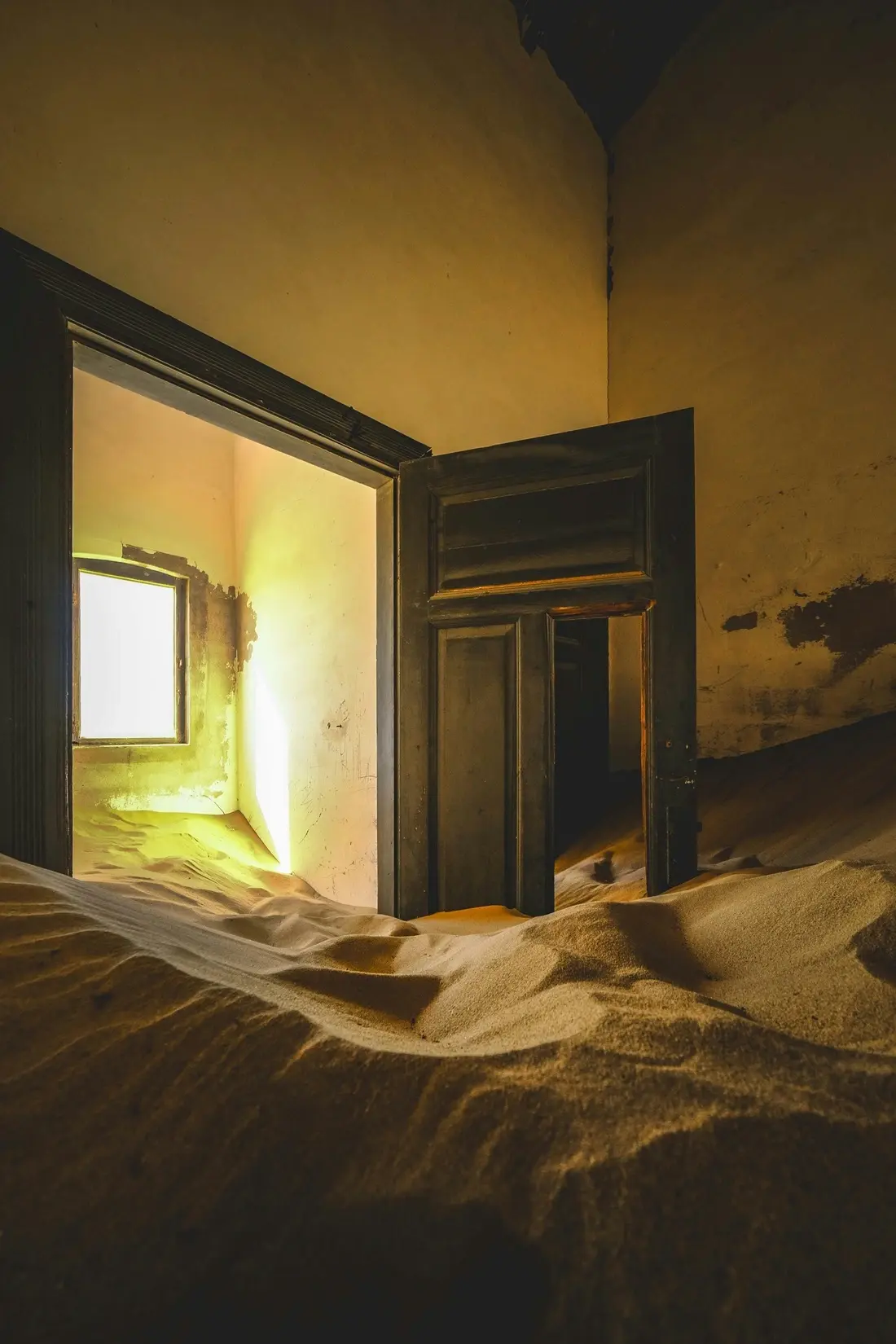
In the middle of the Namib Desert, not far from the town of Lüderitz in Namibia, lies an unusual sight - the abandoned town of Kolmanskop.
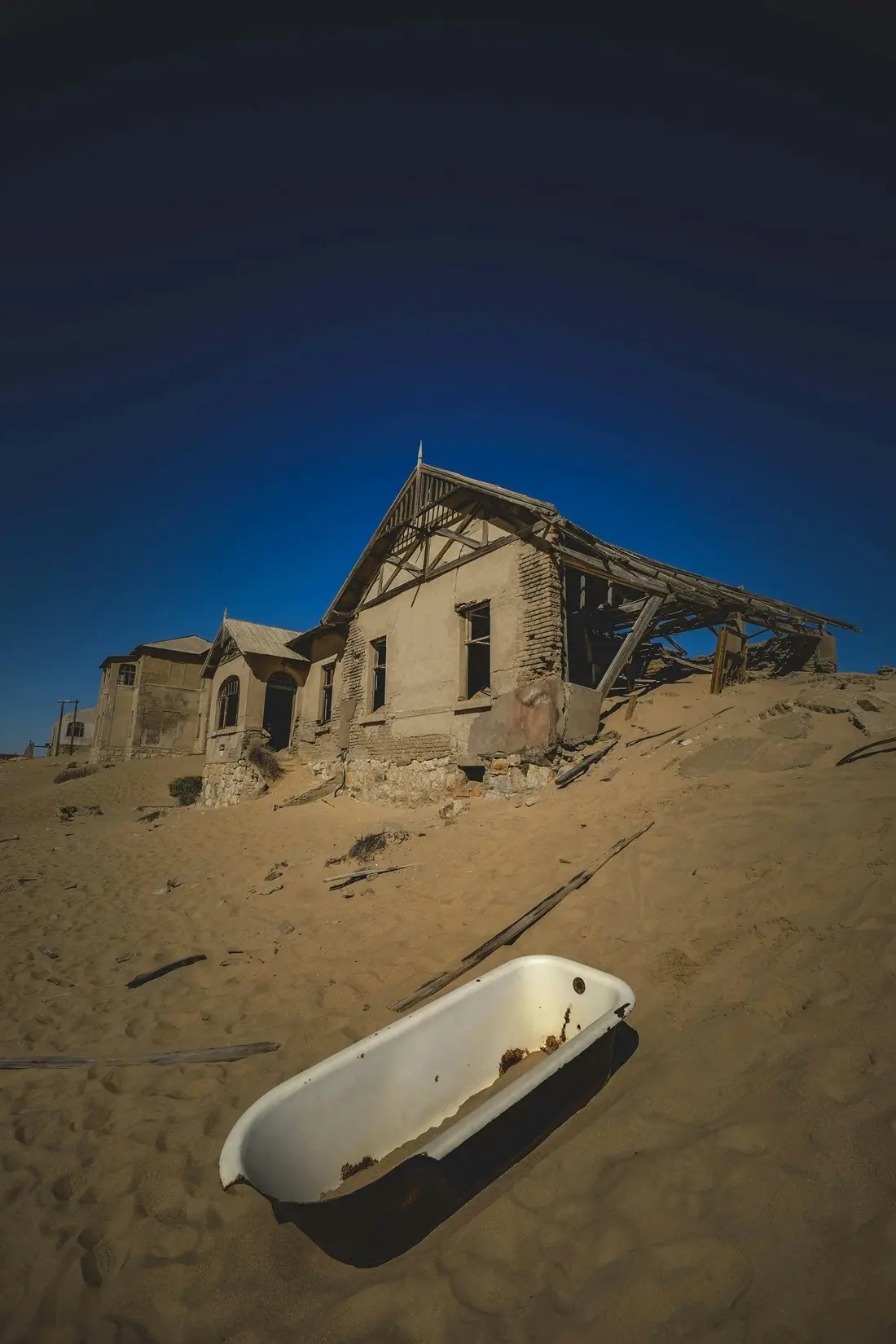
At the beginning of the 20th century, a small European-style town emerged here thanks to rich diamond deposits. It had hospitals, schools, ballrooms, and even an ice skating rink - a true wonder in the middle of the desert.
However, when diamonds were discovered elsewhere, the town was gradually abandoned. Today, sand drifts through the windows of the houses, rooms are filled with dunes, and the desert relentlessly erases the traces of a once vibrant life.
Hashima – the island of ghosts
Just a few kilometers from the city of Nagasaki in Japan lies Hashima Island, also known as “Gunkanjima,” meaning “Battleship Island” because it resembled a warship.
The island was once one of the most densely populated places in the world, as thousands of people worked in its coal mines. Due to limited space, buildings were constructed very close to each other, creating a concrete city in the middle of the sea.
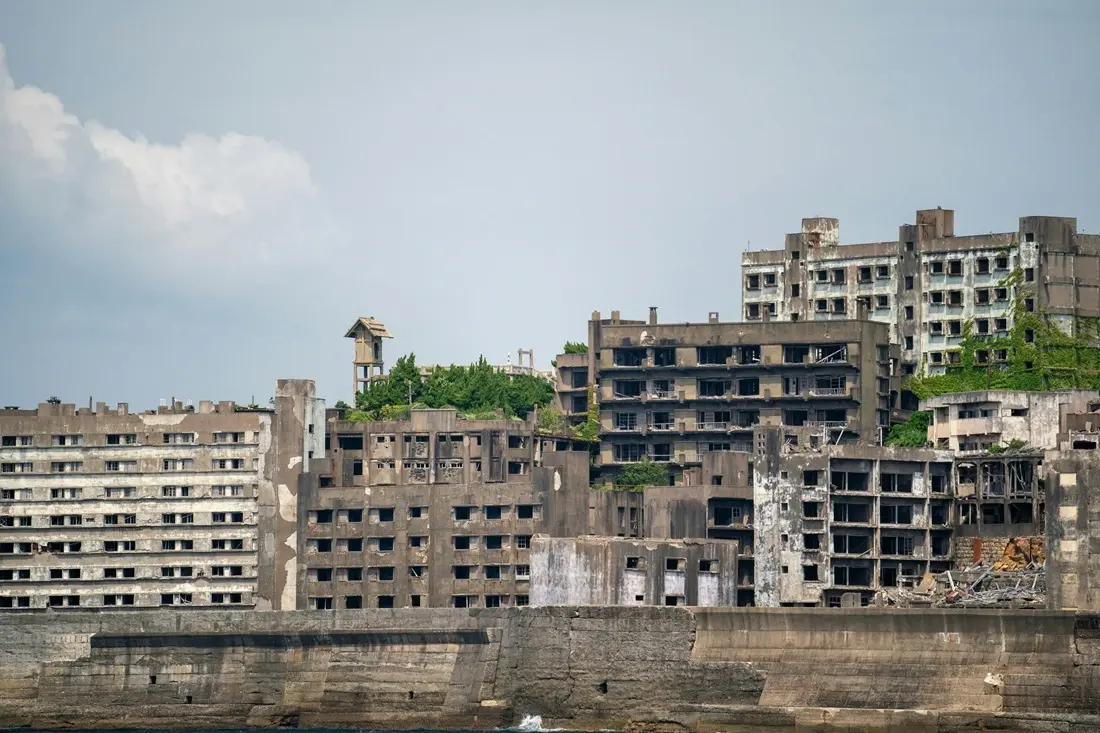
When Japan switched from coal to oil in the 1970s, the mines were closed, and the residents left the island almost overnight. Today, abandoned buildings, empty corridors, and overgrown structures serve as reminders of Japan’s industrial past.
When nature takes over again
These cities remind us how temporary human settlements can be. Where thousands of people once lived, silence now reigns, while nature patiently reclaims the space that once belonged to it.
That is precisely why abandoned cities possess a unique, somewhat mysterious beauty - they are witnesses of history, but also a reminder that time always moves forward.
- Written by: Ognjen Tešić / HEDONIST